How dermal fillers work — HA science, longevity & safety
A cited, medically reviewed guide to how hyaluronic-acid dermal fillers work, how long do fillers last by area, what dermal fillers are made of, and what the evidence says about vascular safety. For the Miami Skin Spa Brickell treatment page, see Dermal Fillers in Miami.
Medically reviewed by Mariana Tolosa, PA-C23 cited sources · FDA labels & peer-reviewedReviewed June 2026
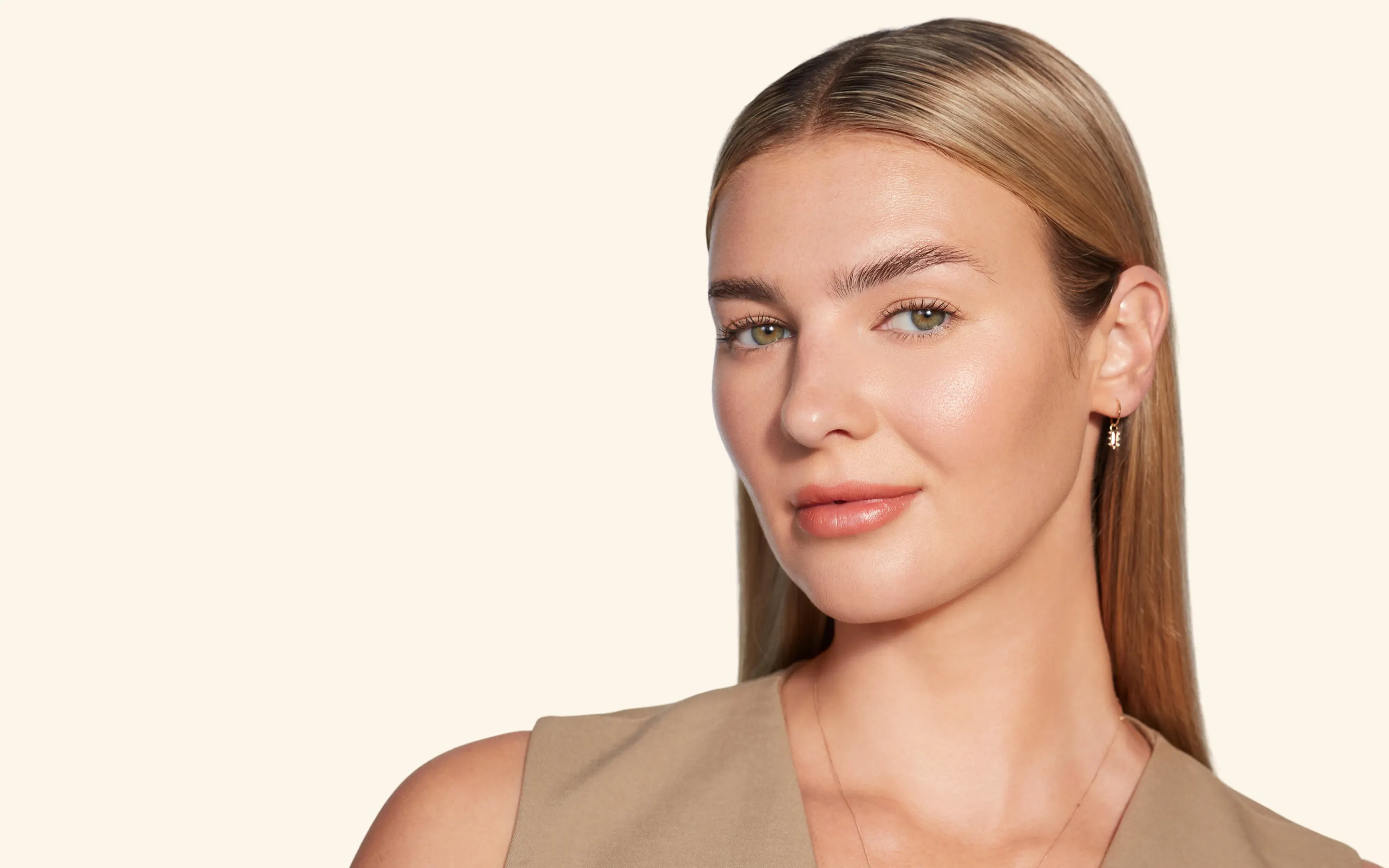
Volume and shape — placed with restraint
Dermal fillers are clear gels of hyaluronic acid (HA) — a sugar your body already makes — injected to restore lost volume, refine shape, and smooth folds and lines. They are not the same as wrinkle relaxers: a wrinkle relaxer softens movement, while filler adds structure and volume.1 For lips specifically, the right filler adds soft fullness, defines the border, and smooths fine lines.
The two things that decide your result are product choice — matching a gel's firmness and flow to the area — and the injector's restraint and anatomy. Done well, modern HA filler looks like a better version of you; done poorly, it looks overfilled or, rarely, causes a vascular complication. The reassuring part: HA fillers are reversible with an enzyme called hyaluronidase.6,10
Key facts
One tool, many areas — tap to explore
Fillers can do far more than lips. Tap a region of the face to see what filler does there, which product type fits, the typical amount, and how long it lasts — plus where extra caution is needed.1,5
Lip filler, done the natural way
Lip filler is the most-requested treatment we do — and the one where restraint matters most. Soft hyaluronic-acid gel adds gentle fullness, defines the border and cupid's bow, hydrates, and smooths fine lip lines. The goal isn't "big," it's balanced.1,7
What to expect
Most lip HA fillers contain lidocaine, and we add topical numbing, so discomfort is minimal; the appointment itself takes well under 30 minutes.9 A natural result usually starts at half a syringe to one syringe (0.5–1 ml), with the option to build gradually at a follow-up — you can always add, but you can't un-inject the same day. Expect 2–3 days of swelling, possible minor bruising, and a settled result by about two weeks. Lip filler typically lasts 6–12 months because the lips move constantly.8,9 At Miami Skin Spa, lip enhancement starts at $750 per syringe — see full pricing. New to injectables? Start with our essential lip-filler facts.
The rule of lips
Over-filling is what makes lips look "done" — it flattens the natural shape and limits movement. Conservative, border-aware injecting keeps lips soft and expressive. And because it's HA, an over-filled or uneven result can be dissolved with hyaluronidase.10
What look are you after? Tap a goal
Natural volume
Typical: ~1 mlBalanced volume through the body of the lips for a fuller but still proportionate look. The most common request — and the one where restraint keeps it from looking overdone.
Best filler for lips?
There's no single winner — it depends on your goal. Smooth, subtle options like Juvéderm Volbella and Restylane Kysse suit soft, natural enhancement and definition (Kysse is built to flex with movement and even brightens lip color); Juvéderm Ultra XC gives a bit more volume; Restylane Silk is soft but fades faster.8,1 Your injector matches the gel to your lips at the consultation — see the full comparison below, or browse what Miami is asking for in lips right now.
Juvéderm vs. Restylane — and SkinVive
All hyaluronic-acid fillers are the same molecule; they differ in how the gel is made — its firmness (G′), how cohesively it holds together, and how it flows. That's what decides which product belongs in lips versus a jawline. We work primarily with the Juvéderm and Restylane families. Tap one to compare.2,3,17
Juvéderm (Vycross)
Allergan / AbbVieThe #1 filler brand in the US; its smooth texture suits visible areas like the lips and cheeks.1,17
Side by side
| Family | Technology | Texture & firmness | Best for | Lasts |
|---|---|---|---|---|
| Juvéderm (Vycross) | Vycross — blends low- and high-molecular-weight HA into a smooth, cohesive gel with low swelling and long duration. | Soft (Volbella) → very firm (Voluma, Volux) | Lips (Volbella), smile lines (Vollure), cheeks & temples (Voluma), jawline & chin (Volux) | up to 1–2 years |
| Juvéderm Ultra XC | Hylacross — a smooth, monophasic gel with built-in lidocaine for comfort. | Medium volume | Lips and nasolabial folds | up to ~1 year |
| Restylane (NASHA) | NASHA — a firmer, particulate gel with high lift and low swelling that holds its shape precisely. | Fine (Silk) → strong lift (Lyft) | Lips & fine lines (Silk), cheeks & hands (Lyft), versatile (Restylane-L) | ~6–18 months |
| Restylane (OBT / XpresHAn) | OBT — a flexible, cohesive gel designed to move naturally with facial expression. | Soft → medium, flexible | Lips + color (Kysse), smile lines (Refyne / Defyne) | up to ~1 year |
| SkinVive by Juvéderm | Microdroplet modified HA — a 'skin-quality' injectable, not a volumizer. | No added volume | Cheek skin smoothness, hydration and glow | ~6 months |
Why one gel plumps and another lifts
Hyaluronic acid is a water-loving sugar. To make a filler, HA chains are lightly cross-linked (with a linker called BDDE) into a gel — and how tightly they're cross-linked sets the gel's firmness, water uptake and how long it lasts.4,6
Two gels can contain the same HA yet behave completely differently. A softer, low-firmness gel spreads smoothly and integrates into delicate tissue — ideal for the lips. A firmer, high-firmness gel resists compression and pushes tissue outward — ideal for building cheeks, chin and jaw.5 HA is also hydrophilic, so it draws in water after injection, which is part of the fullness — and part of why lips swell for a few days.
The same property that makes HA safe also makes it forgiving: it can be dissolved with hyaluronidase, so an over-filled lip, a lump, or a rare vascular complication can be reversed.6,10 Longevity then depends on the product and the area — mobile zones like lips burn through filler faster than structural zones like cheeks.18
In one line
Soft gel for soft areas, firm gel for structure — reversible either way. Matching the two is the craft of good filler work.5
How long it lasts, by area
Common effects are minor — the rare one matters
For an experienced injector, HA fillers are very safe; most side effects are mild and short-lived. But there is one rare, serious risk every patient should understand — and every clinic should be ready for: vascular occlusion.10,12
Vascular occlusion — what it is and why it's rare
If filler is accidentally injected into or compresses an artery, it can block blood flow (a vascular occlusion). Untreated, it can cause skin breakdown and, very rarely, vision changes.12,15 Warning signs are pain out of proportion, skin blanching (whitening) then a dusky, mottled color, and slow capillary refill — and any vision change is an emergency.10 The highest-risk zones are the glabella, nose and smile-line (nasolabial) region.11 The reassuring part: because HA is reversible, the treatment is to flood the area with hyaluronidase promptly, which dissolves the filler and restores flow — which is exactly why a trained injector with hyaluronidase on hand is non-negotiable.10,16
| Effect | How common | What to know |
|---|---|---|
| Swelling, tenderness | Common, minor | Especially lips; settles over 2–3 days, fully by ~2 weeks. |
| Bruising | Common, minor | Reduced by avoiding blood thinners, fish oil, vitamin E and alcohol for ~a week beforehand; arnica can help. |
| Lumps / asymmetry | Occasional | Often smooths with massage; if it persists it can be dissolved with hyaluronidase. |
| Tyndall effect | Uncommon | A bluish tint from HA placed too superficially — most relevant under the eyes; correctable. |
| Infection / cold-sore flare | Rare | Avoid injecting over active infection or a cold sore; tell your injector if you're prone to them. |
| Delayed nodules | Rare | Can appear weeks–months later, sometimes after illness; usually treatable. |
| Vascular occlusion | Rare, serious | The emergency above — preventable with skilled technique and reversible with prompt hyaluronidase. |
Who should wait or avoid
Filler is generally deferred in pregnancy and breastfeeding, with an active skin infection or cold sore at the site, and is used with extra care if you have a bleeding disorder or take blood thinners (more bruising), a known HA allergy, or certain autoimmune conditions. Recent dental work is a reason to wait. Tell your injector your full history and medications.11
Why the injector is the real safety feature
Almost every serious complication traces to anatomy, plane and dose — not the product. Slow injection, low pressure, small amounts, smart use of cannulas vs. needles in risky zones, and a practiced emergency protocol are what keep filler safe.12,14 Cannulas lower (but don't eliminate) vascular risk, so training and judgment matter more than any single tool.13
Want lips that look like yours — only better?
Bring a reference photo or just your goals. Our Brickell injectors assess your anatomy, recommend the right product and amount, and build conservatively so you leave looking refreshed, not overfilled.
Miami Skin Spa · Brickell · 1501 South Miami Avenue #201, Miami, FL 33129 · 305-557-1615
Less, built gradually, looks more natural
The overfilled look comes from too much product, too fast, in too few areas. A natural result comes from restraint, balancing the whole face, and matching the gel to the spot.
How we keep it natural
Start conservatively and build at follow-ups; treat the face as a whole (supporting the cheeks often does more for smile lines and lips than chasing the line itself); choose softer gels for mobile areas; and dissolve and reset if something isn't right. You can always add — that's the point of going slow.5
What fillers cost in Miami
HA filler is generally priced per syringe, and your total depends on the product, the areas, and how many syringes you need — lips often start at a single syringe, while structural areas like cheeks or jaw may take more over time. We give you a clear quote at the consultation; see our pricing page and current results.
Real results, real patients
Two consented Juvéderm cases from Miami Skin Spa in Brickell — full-face rejuvenation and cheek-chin contour. Individual results vary.
Full-face Juvéderm rejuvenation
 Before
 After
AfterCheek & chin contour
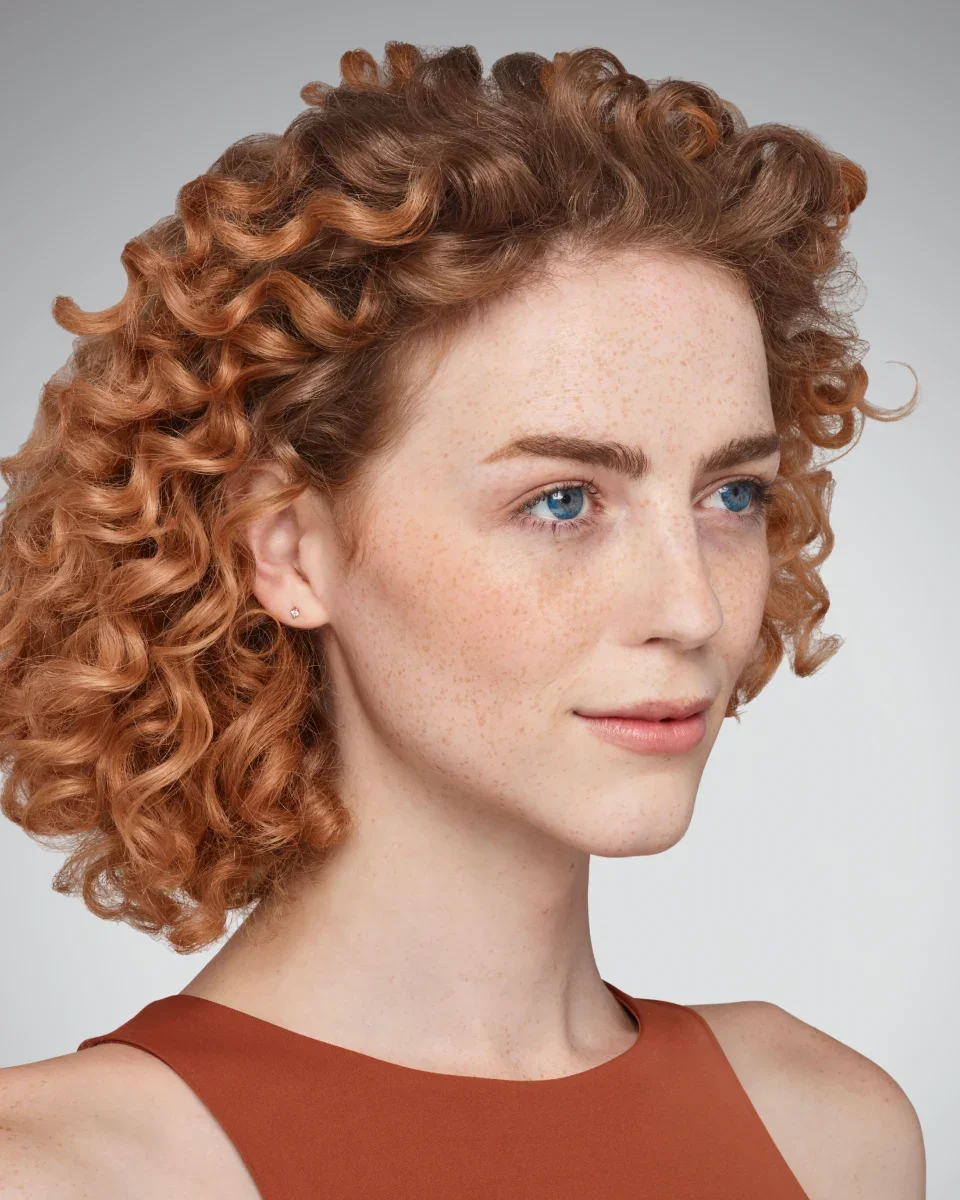 Before
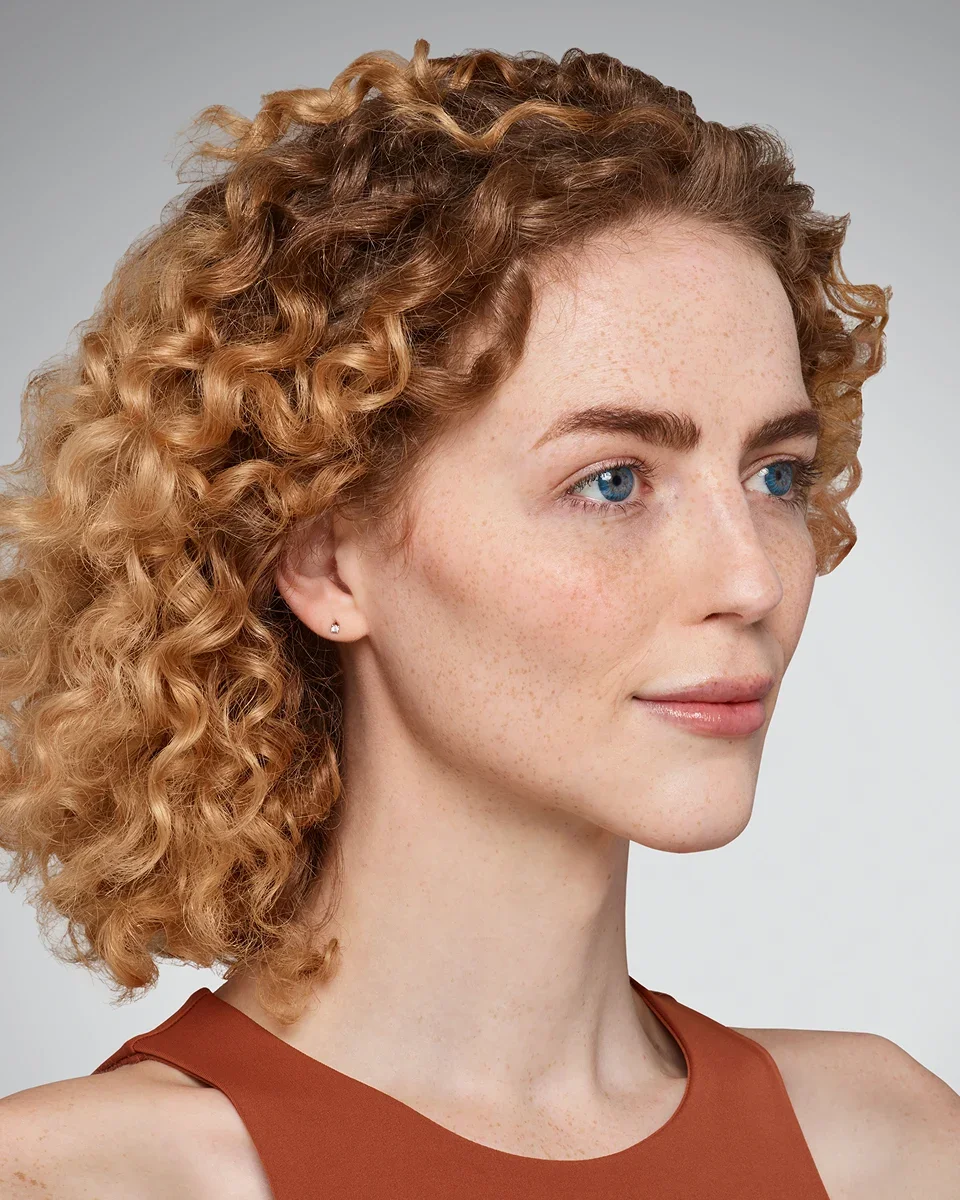 After
AfterPhotos shared with patient consent. Individual results vary.
Trusted clinic, verified reviews
“Mariana Tolosa is so knowledgable, and my melasma treatment is going great. Very happy I found Miami Skin Spa!”
“I had a great experience from start to finish with Miami Skin Spa for my tattoo removal. The staff were lovely, the service was fast (and effective), and the office was beautiful. I will definitely be back!”
“I had a great experience here! The place is super clean and professional. I got the pico genesis laser and was talked...”
Clinic-experience reviews from our verified Google profile. For filler-specific results, see the consented before & afters above.
What we know — and what we don't
What the evidence shows
- HA fillers are among the most-performed minimally invasive cosmetic procedures globally.19
- Cross-linking chemistry (Vycross, NASHA, OBT) determines gel firmness, cohesivity and longevity — not just HA concentration.2,3
- Longevity varies by area: lips 6–12 months, structural zones up to 2 years.8,18
- The AAD notes HA fillers are reversible — hyaluronidase dissolves them for corrections or emergency vascular events.10
- Cannulas reduce (but do not eliminate) vascular risk compared to needles in some regions.14
What remains uncertain
- Long-term (5+ year) tissue effects of repeated HA deposits are not fully characterised in longitudinal studies.
- Whether aspiration before injection meaningfully reduces vascular-occlusion risk remains debated in the literature.13
- Delayed nodule (inflammatory granuloma) incidence is under-reported; exact rates are unclear.11
- Individual metabolic differences make longevity predictions imprecise for any given patient.
Practice implication: Choose an injector with anatomy training, a clear emergency protocol, and hyaluronidase on site.
When this is the wrong page
This page covers hyaluronic-acid fillers for volume, shape, and structure. It is not the right starting point if you are looking for: gradual collagen rebuilding across the whole face (→ Sculptra biostimulators); muscle-driven lines like frown or forehead lines (→ wrinkle relaxers); improving skin smoothness and hydration without adding volume (→ SkinVive); or surgical volume restoration where HA yield would be marginal. For the booking and pricing page, go to Dermal Fillers in Miami.
Explore related treatments
Frequently asked — mechanistic answers
Hyaluronic-acid fillers are gels made from HA chains stabilised with a chemical cross-linker (BDDE). When injected, the gel occupies space in the dermis — physically adding volume. HA is also highly hydrophilic, meaning it binds water molecules, so it draws in additional fluid and contributes to the plumping effect beyond the gel volume alone.4,6 The degree of cross-linking sets the gel's storage modulus (G′): tightly cross-linked gels resist compression and lift tissue (cheeks, jaw); loosely cross-linked gels flow and integrate into delicate tissue (lips).2,3 This rheology difference — not the HA concentration — is what determines which product belongs where. According to the FDA label for Juvéderm products, these properties also influence duration of effect, with firmer gels generally lasting longer.1
Nearly all modern aesthetic fillers are based on hyaluronic acid (HA), a polysaccharide naturally found in connective tissue, skin, and synovial fluid. Pharmaceutical-grade HA for fillers is produced by bacterial fermentation (not animal-derived), purified, then cross-linked with butanediol diglycidyl ether (BDDE) into a stable gel.5,6 The manufacturing platform matters: the Juvéderm family uses Vycross or Hylacross technology (blended HA molecular weights, smooth gel); Restylane products use NASHA or OBT (particulate or flexible gel).2,3,17 Some products include lidocaine for comfort. Sculptra (polylactic acid) and Radiesse (calcium hydroxyapatite) are biostimulators, not HA fillers, and work through collagen induction rather than direct volumization.
Yes. Hyaluronidase is an enzyme that cleaves the glycosidic bonds in HA, breaking the cross-linked gel back into smaller HA fragments that the body metabolises normally. It works rapidly — significant dissolution occurs within hours of injection.10 It is used clinically to correct an overfilled or asymmetric result and, urgently, to reverse a vascular occlusion caused by filler compressing or entering an artery. The reversibility of HA fillers is a fundamental safety advantage over permanent or semi-permanent options: complications are correctible. Hyaluronidase is non-selective (it does not distinguish the injected HA from natural tissue HA), so it may temporarily reduce native tissue hydration at the injection site, though this resolves.10,16
HA fillers have an established safety record for experienced injectors. The most common effects — swelling, tenderness, bruising — are minor and transient. The serious, rare risk is vascular occlusion: filler injected into or compressing an artery blocks blood supply. Untreated, it can cause skin necrosis and, very rarely, vision changes.12,15 The highest-risk anatomical zones are the glabella, nasal ala and nasolabial region where vessels are small, superficial and tortuous.11 Adverse Effects Associated with Dermal Filler Treatments, Part II (2024) summarises the vascular mechanisms and emphasises that cannula use, aspiration, low injection pressure, small aliquots, and immediate availability of hyaluronidase are the primary risk mitigations — though the literature notes cannulas do not eliminate vascular risk.12,13,14
Wrinkle relaxers (Botox/Dysport/Xeomin) are botulinum neurotoxin — they block acetylcholine release at the neuromuscular junction, preventing the muscle from contracting. This softens dynamic lines created by muscle movement (frown lines, forehead lines, crow's feet). Dermal fillers add structural volume — they work mechanically, filling space regardless of muscle activity. Fillers are appropriate for static volume loss, shape, and fold depth; they do not affect muscle tone. The two are frequently combined: relaxing the muscle above a filler area can reduce mechanical shear force and extend filler longevity. Sculptra (a biostimulator) adds a third mechanism — it stimulates collagen production over months for broad, gradual volumization rather than immediate placement.1
Sources & further reading
Manufacturer prescribing/indication information, randomized and clinical studies, rheology research, and peer-reviewed reviews on HA fillers and their complications. Where a stable link was available it is included. Links open in a new tab.
- JUVÉDERM® Collection of Fillers — official treatment areas, FDA-approved indications (lips, cheeks, chin, temples, smile lines, jawline) and longevity. Allergan/AbbVie. https://www.juvederm.com/treatment-areas/lip-filler
- Wang Y, et al. Connections between cohesion and HA dermal-filler properties (NASHA vs Hylacross; biphasic vs monophasic). Skin Res Technol. 2023. https://onlinelibrary.wiley.com/doi/full/10.1111/srt.13395
- Advanced Concepts in Rheology for the Evaluation of HA Fillers (NASHA / OBT / Vycross / RHA; degree of modification). Dermatol Surg. 2021. https://journals.lww.com/dermatologicsurgery/fulltext/2021/05000/advanced_concepts_in_rheology_for_the_evaluation.14.aspx
- Understanding Clinical and Biophysical Differences Between Non-Cross-Linked and Cross-Linked HA Dermal Fillers (G′, G″, tan δ). 2025. https://www.ncbi.nlm.nih.gov/pmc/articles/PMC12728490/
- The Science of Hyaluronic Acid Fillers (G′, viscosity, cohesivity and tissue behavior; NASHA particle sizes). Rejuvenation Resource. https://www.rejuvenationresource.com/articles/background-science/the-science-of-hyaluronic-acid-fillers
- Hyaluronan-based hydrogels as dermal fillers: biophysical properties behind the volumetric effect (BDDE cross-linking; Restylane Lyft vs Juvéderm Voluma). 2019. https://pmc.ncbi.nlm.nih.gov/articles/PMC6559669/
- Safety and Effectiveness of JUVÉDERM VOLBELLA for Lip Enhancement (lip pivotal/feasibility data; lidocaine; Restylane lip approval). Allergan study protocol, ClinicalTrials.gov NCT03519204. https://cdn.clinicaltrials.gov/large-docs/04/NCT03519204/Prot_001.pdf
- Restylane vs. Juvéderm for lips — longevity by product (Silk ~3–6 mo; Volbella ~6–12 mo; Kysse up to ~12 mo). Goldenberg Dermatology. https://goldenbergdermatology.com/facial-fillers/restylane-vs-juvederm/
- Juvéderm Volbella for lip enhancement — typical 0.55 ml/syringe, ~30-minute procedure, comfort and aftercare. 2024. https://montvillemed.com/juvederm-volbella-lip-fillers/
- Fabi SG, Desyatnikova S, Dayan SH. Prevention and Management of Dermal Filler Complications: a Review (vascular-occlusion signs; hyaluronidase flooding). Facial Plast Surg Aesthet Med. 2025. https://journals.sagepub.com/doi/10.1089/fpsam.2024.0020
- Complications of hyaluronic acid fillers and their management (high-risk zones: glabella, nasal ala and dorsum; pre-procedure measures). 2016. https://www.sciencedirect.com/science/article/pii/S2352241016000050
- Adverse Effects Associated with Dermal Filler Treatments, Part II: Vascular Complications (mechanisms; nasolabial/nasal regions; cannula over needle; aspiration). 2024. https://www.ncbi.nlm.nih.gov/pmc/articles/PMC11276034/
- Guideline for the Management of HA Filler-induced Vascular Occlusion (aspiration limits; cannula safety may be overestimated). 2021. https://pmc.ncbi.nlm.nih.gov/articles/PMC8211329/
- Cannula versus needle in filler injection: a narrative review (lower bruising and reduced vascular-occlusion signal with cannulas, but not risk-free). 2025. https://www.ncbi.nlm.nih.gov/pmc/articles/PMC12803860/
- Vision Loss and Blindness Following Fillers (glabella among highest-risk; HA preferred for reversibility). 2021. https://www.dermatoljournal.com/articles/vision-loss-and-blindness-following-fillers.html
- Vascular Occlusion from Dermal Filler Injections — treatment protocols (high-dose pulsed hyaluronidase; retinal ischemia within ~90 minutes). Rejuvenation Resource. https://www.rejuvenationresource.com/articles/complications/vascular-occlusion-from-dermal-filler-injections-a-discussion-and-review-of-the-literature-for-protocols-to-treat
- Dermal Fillers for Facial Contouring: Juvéderm vs. Restylane Collections in 2026 (Vycross vs NASHA vs OBT; area suitability). 2026. https://skinspanewyork.com/blogs/news/dermal-fillers-for-facial-contouring-juvederm-vs-restylane-collections-in-2026
- Understanding Filler Stability — cross-linking and G′ drive longevity; injection area affects durability (HA fillers ~6–24 months). 2025. https://www.latrenta.com/blog/understanding-filler-stability-what-you-need-to-know
- Procedural Statistics — soft-tissue (HA) fillers remain among the most-performed minimally invasive cosmetic procedures. American Society of Plastic Surgeons. https://www.plasticsurgery.org/plastic-surgery-statistics
Last reviewed June 2026 by Mariana Tolosa, PA-C, Physician Assistant, Cosmetic Injector, Miami Skin Spa · Brickell.